Context
Prada operates as a brand where form is governed by structure, not expression.
Its identity is not driven by seasonal novelty, but by the sustained coherence of an internal system that prioritises construction, proportion, and restraint.
This project examines Prada as a system in which material, body, and construction function as interdependent forces rather than stylistic devices.
The focus is not on collection themes,
but on how structure continuously produces form over time.
but on how structure continuously produces form over time.
System Logic
The system operates through relationships rather than symbols.
Material, construction, and the body are not layered sequentially.
They act simultaneously, each defining the limits of the other.
They act simultaneously, each defining the limits of the other.
Meaning emerges from internal tension,
not from external reference.
not from external reference.
Material as a System
Material is not treated as surface or texture.
It functions as a governing condition.
Choices of fabric, weight, and resistance define how form behaves,
where it holds,
and where it breaks.
where it holds,
and where it breaks.
Material sets constraints.
Form emerges by negotiating them.
Form emerges by negotiating them.
Body as Support
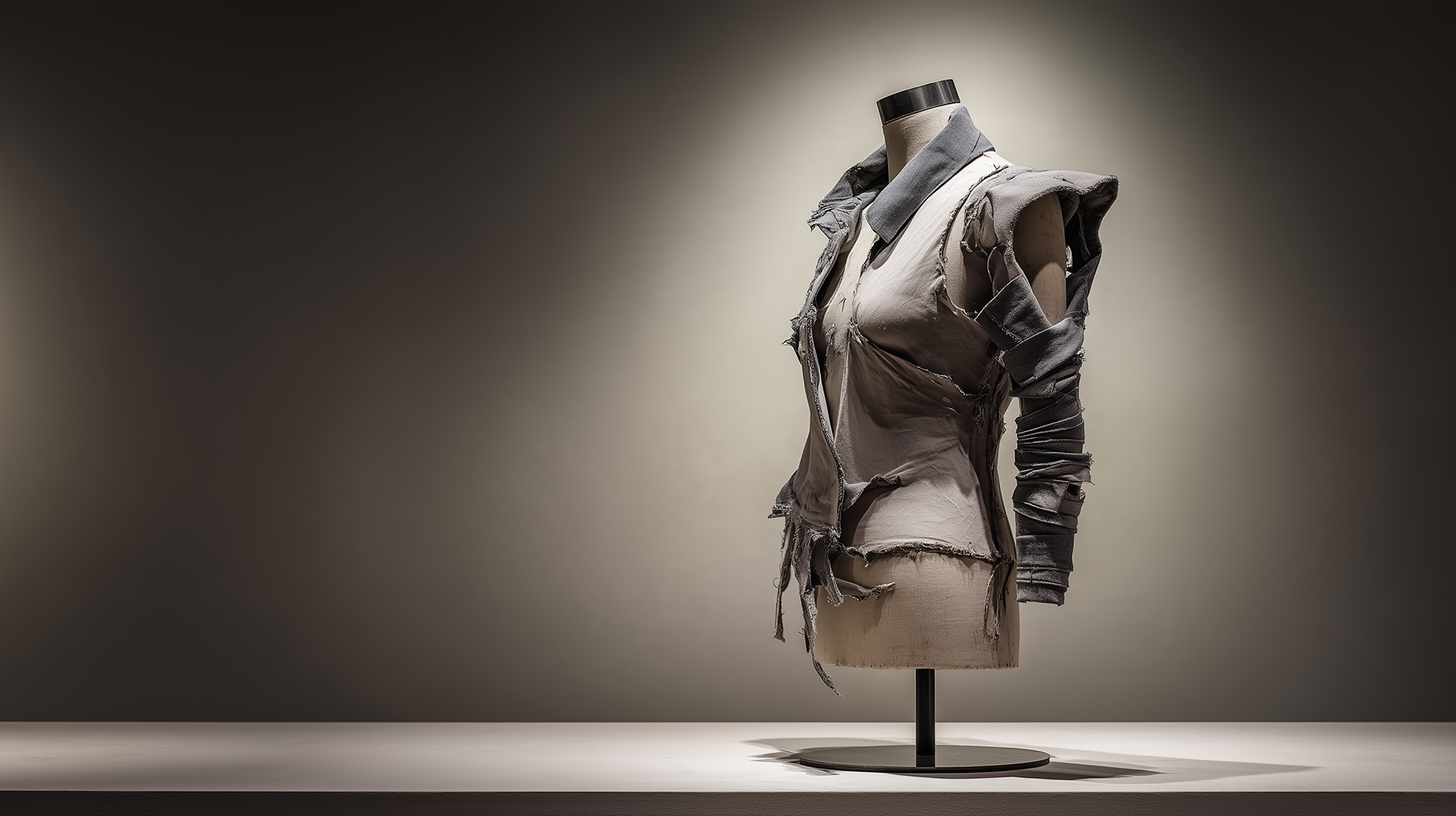
The body is not idealised or stylised.
It operates as a structural reference.
Garments do not adapt to the body as expression.
They establish a framework around it.
They establish a framework around it.
This produces silhouettes that feel deliberate,
controlled,
and intellectually positioned rather than emotive.
controlled,
and intellectually positioned rather than emotive.
Structure Sustains Form
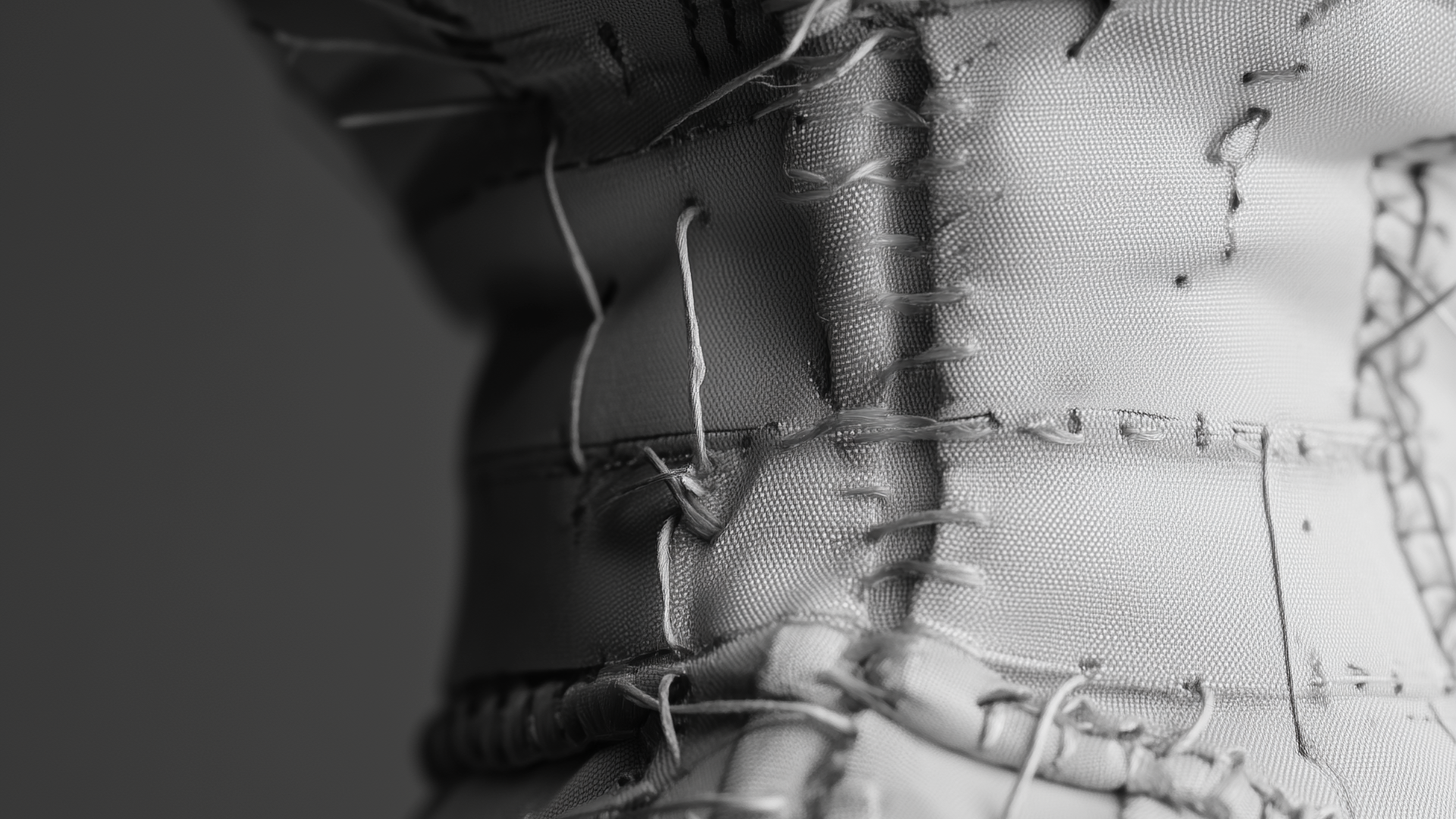
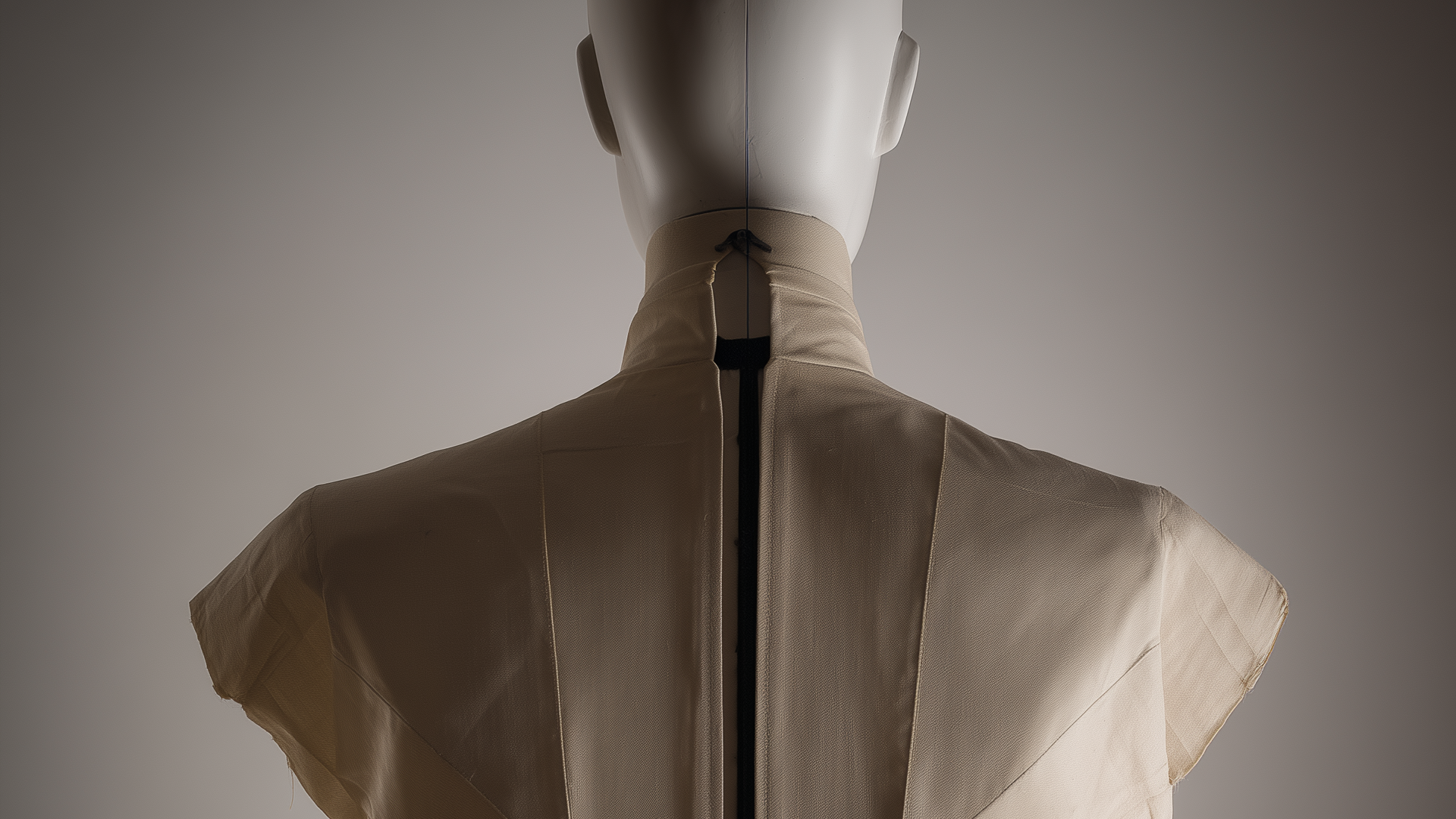
Structure is not concealed.
It is legible.
It is legible.
Seams, volumes, and proportions operate as visible logic rather than decoration.
Consistency is achieved through construction,
not repetition.
not repetition.
Form is sustained by discipline.
Why This Matters
This system demonstrates how fashion can operate as a structural discipline rather than a stylistic cycle.
It shows how brands can maintain coherence
by allowing form to be governed by internal logic instead of external trends.
by allowing form to be governed by internal logic instead of external trends.
Prada’s authority does not come from novelty.
It comes from structure.
It comes from structure.